Gardeners Norbiton: Recycling and Sustainability for Greener Spaces
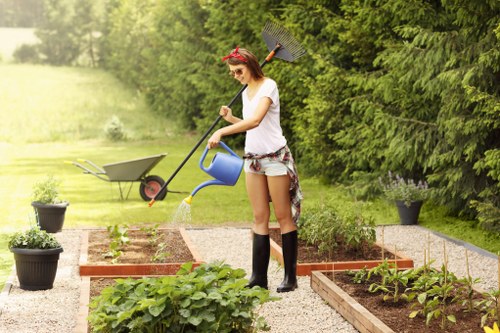 Gardeners Norbiton is committed to creating an eco-friendly waste disposal area and a practical, sustainable rubbish gardening area across Norbiton homes and community spaces. Our Norbiton gardening team applies circular principles to reduce what goes to landfill, re-use valuable soil and timber, and keep green waste moving back into the local environment as compost, mulch or community resources. We focus on measurable targets and on-the-ground action so residents and clients can see results.
Every job we undertake includes careful sorting at source: timber, green waste, soil, recyclable plastics used in planters, and metal supports are separated to maximise recovery. We work with local boroughs’ approach to waste separation, recognising that Kingston upon Thames and neighbouring boroughs operate distinct garden-waste collections alongside mixed recycling and paper/glass/cans streams. By aligning our operational sorting with council systems we reduce cross-contamination and improve rates of diversion from landfill.
 Our ambition is clear: a recycling percentage target of 75% by 2030 for all site-generated waste and recovered materials. This target covers compostables, timber reuse, soil remediation, and conventional recyclables. Reaching 75% requires consistent client cooperation, smart staging of materials in our sustainable rubbish gardening area, and strong downstream partners who can accept separated loads for processing or reuse.
Practical eco-area setup and local logistics
Our teams set up an eco-friendly waste disposal area on site for larger clearances and regular maintenance contracts. Clear labelling, colour-coded bins, and covered storage for organic material help keep compost feedstocks clean. This reduces odour, prevents runoff, and makes pick-up efficient. The setup also supports community drop-offs when appropriate, encouraging neighbours to bring small amounts of garden waste to a supervised collection point.
Gardeners in Norbiton coordinate with local transfer stations and civic amenity sites to ensure materials reach the correct facility. Where possible, we consolidate loads to local transfer stations to lower vehicle mileage and handling. We also use transfer stations as hubs to split loads for specialist processors: soils to remediation hubs, woody green waste to chipping yards, and recyclable plastics and metals to materials recovery facilities.
 Being pragmatic about logistics allows the Norbiton gardening team to keep costs down and carbon emissions low while prioritising circular outcomes. We use route optimisation software and scheduled consolidation to avoid multiple half-empty trips, helping us meet both our recycling target and our emissions goals.
Partnerships, charities and community reuse
We actively cultivate partnerships with local charities and social enterprises to give materials a second life. Soil and compost are donated to community gardens and allotment associations; intact planters, pots, and reusable hard landscaping elements are offered to reuse organisations; and larger salvageable timber is diverted to community carpentry schemes. These collaborations reduce waste handling costs and support local social and environmental projects.
Examples of typical charity partnerships include community food-growing projects, local horticultural charities that train volunteers, and reuse shops that accept serviceable materials. By working closely with these groups, our Gardeners Norbiton operations ensure that reusable items do not get needlessly recycled when reuse is a better environmental and social outcome.
Our policies include a hierarchy of outcomes for every item we collect: re-use first, then repair/refurbish, then recycle, and only as a last resort, energy recovery or disposal. This prioritisation helps the Norbiton gardeners deliver a genuinely sustainable rubbish gardening area rather than just an efficient waste-management service.
We publish routine internal audits of waste streams and material destinations to track progress toward the 75% target. These audits identify contamination sources and opportunities to change client behaviour or on-site signage. Transparent reporting also helps our clients and community partners see improvements in diversion rates and carbon savings from reuse and recycling choices.
 Low-carbon transport is central to our emissions reduction plan. Gardeners Norbiton employs a growing fleet of low-emission vans: electric vans for local rounds, plug-in hybrids for longer trips, and efficient small trailers where appropriate. We prioritise electric vehicles for inner-Norbiton work to reduce neighbourhood emissions and improve air quality.
 The move to low-carbon vans is paired with operational changes: fewer journeys through better job clustering, improved scheduling, and driver training for eco-driving. Combined, these measures cut fuel use and the overall carbon footprint of our waste handling, from garden clearance to final processing at transfer stations and recycling centres.
As a local provider, the Gardeners in Norbiton approach extends beyond our own operations. We encourage clients to adopt small behavioural changes that make a big difference: separate woody waste from soft compostables, keep soils and stones in a separate container, and store clean plastics and metals ready for pick-up. These simple steps greatly improve the efficiency of the eco-friendly waste disposal area on site.
To support community resilience we also offer seasonal workshops and public information (not guides) through community partners about composting, reuse opportunities, and the boroughs’ approach to waste separation—helping households align with local council collections and civic amenity facilities. This collective effort reinforces the circular economy in Norbiton.
By combining a clear recycling percentage target, strategic use of local transfer stations, active partnerships with charities, and a low-carbon van fleet, the Norbiton gardening team delivers a robust, sustainable rubbish gardening area. Our goal is to keep gardens flourishing while minimising waste, maximising reuse, and protecting the local environment for future seasons.

