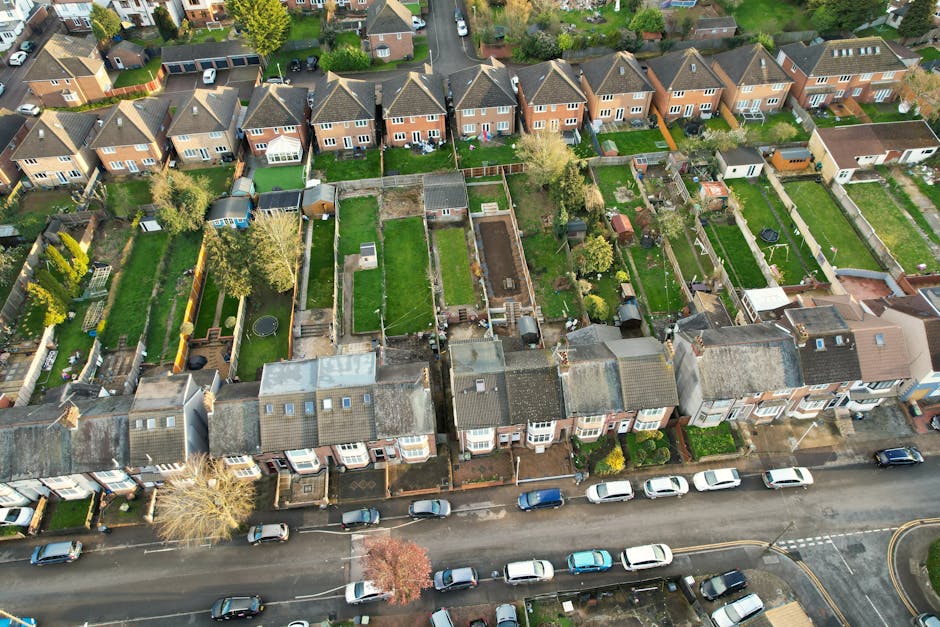
Common problems with access for Norbiton garden clearances

If you are planning a garden clearance in Norbiton, access is often the part that causes the most hassle. Not the weeds, not the broken shed, not even the pile of wet branches at the back of the plot. It is the simple question of how the team actually gets in, works safely, and gets waste out. Narrow side passages, shared drives, awkward gates, low branches, locked rear access, or nowhere sensible to park can turn a straightforward clearance into a slower, pricier, slightly fraught job.
This guide explains the common problems with access for Norbiton garden clearances, why they matter, and what you can do before the team arrives. It also covers best-practice planning, practical checklists, and the little details that usually get missed until someone is standing at the gate saying, "Right... we'll need to think this through."
For context, a proper garden clearance is more than a quick tidy-up. It can involve moving bulky waste, cutting back overgrowth, dismantling small structures, and working around plants, fences, and neighbouring properties. If access is poor, all of that becomes more awkward. A little preparation goes a long way.
Expert summary: the best clearance jobs are not always the easiest gardens; they are the gardens where the access has been checked properly, the route in and out is clear, and everyone knows where the pinch points are before the work starts.
Why Common problems with access for Norbiton garden clearances Matters
Access affects nearly every part of a clearance: how long the work takes, how many people are needed, what equipment can be brought in, and how safely waste can be removed. In a place like Norbiton, where gardens may sit behind terraced homes, side returns can be tight and parking can be unpredictable. That creates a chain reaction. One blocked gate can mean more carrying, more time on site, and more strain on the crew.
It also affects the final result. If access is poor, some contractors will naturally avoid heavier kit, skip certain tasks, or take a more cautious approach around fragile structures and planting. That is not necessarily a bad thing, but it should be planned for rather than discovered halfway through the day.
The main reason it matters is simple: access problems are rarely just access problems. They often lead to schedule delays, extra handling, higher labour effort, and more chance of damage to fences, paths, or the garden itself. And if the clearance includes items like tangled bramble, heavy cuttings, old timber, or a damaged shed, those small access issues suddenly become bigger ones.
There is also the neighbour angle. Tight access can mean carrying debris through shared entrances, passing close to adjacent windows, or temporarily using front areas for loading. If that is not managed politely, a routine clearance can feel intrusive. Nobody wants that. To be fair, most issues can be avoided with a calm conversation and a clear plan.
If you want to understand the wider service context as well, it can help to look at the broader services overview and the dedicated garden clearance service, especially if the job may overlap with pruning, waste removal, or light landscaping.
How Common problems with access for Norbiton garden clearances Works
Access planning starts before anyone lifts a bag of cuttings. A good clearance team will usually look at a few basic things:
- Entry route: Is there a side gate, rear gate, alley, or shared passage?
- Width and height: Can tools, barrows, or waste sacks fit through safely?
- Surface conditions: Are paths muddy, uneven, icy, broken, or slippery?
- Parking and loading: Can a vehicle stop close enough without causing problems?
- Obstructions: Are bins, bikes, garden furniture, or overgrowth blocking the route?
- Security: Are keys, codes, or someone present to grant access?
- Neighbour considerations: Is any shared access being used respectfully and in line with property boundaries?
That sounds straightforward, but the reality is often messier. A gate that opens fully on paper may only open halfway because of swelling wood, rusted hinges, or a branch wedged behind it. A path that looks usable from the patio may narrow sharply by the side of the house. A driveway that seems ideal may already be packed with vehicles, refuse bins, or contractor vans from the neighbour next door.
In practice, the team may choose between carrying everything by hand, using smaller load sizes, breaking the clearance into sections, or adjusting the equipment used. None of that is dramatic. It is just the sort of practical decision-making that keeps the job moving.
There is a reason experienced crews ask so many questions. They are not being fussy. They are trying to predict the one stubborn corner of the garden that will eat time for breakfast.
Key Benefits and Practical Advantages
Getting access right has some very ordinary-looking benefits that make a huge difference on the day.
| Benefit | What it means in practice | Why it matters |
|---|---|---|
| Faster work | The crew spends less time navigating the site | Reduces delays and keeps the visit efficient |
| Safer handling | Waste moves along a sensible route | Lowers the chance of trips, strains, and scrapes |
| Less property damage | Fewer awkward turns and heavy carries | Protects gates, fences, paving, and flowerbeds |
| Better pricing accuracy | The work scope is easier to estimate | Helps avoid surprises and awkward add-ons |
| Smoother neighbour relations | Shared spaces are planned in advance | Minimises disputes and unnecessary disruption |
Another benefit, often overlooked, is morale. If the site is organised, the work feels calmer and more efficient. You can actually hear the difference. Less shuffling around. Fewer repeated trips. Fewer "Can you just hold that?" moments. A garden clearance is hard enough without turning it into a puzzle.
For properties with ongoing needs, access planning also helps future maintenance. If you know the gate is awkward or the side passage is tight, that information can shape later work such as garden maintenance, hedge trimming, or even more involved landscaping tasks.
Who This Is For and When It Makes Sense
This topic matters if you are a homeowner, landlord, letting agent, or property manager dealing with a cluttered or overgrown outdoor space. It also matters if the garden has been left untouched for a while and access is no longer obvious. That is more common than people admit. A path that used to be there can disappear under bramble and self-seeded growth surprisingly quickly.
It makes sense to think about access early if any of these apply:
- The garden is behind a terrace, flat, or converted property.
- There is only narrow side access.
- The rear gate is locked, damaged, or partly blocked.
- Large waste items need to be removed.
- There are sheds, decking, old sleepers, or heavy timber to move.
- The property is shared, tenanted, or has limited parking.
- You need the clearance done in one visit rather than over several smaller sessions.
If you are also weighing up other garden jobs at the same time, it can be helpful to look at related services such as lawn mowing or tree lopping and removal. Sometimes the real issue is not just waste removal; it is the way overgrowth, branches, and blocked paths all feed into one another.
And yes, if the access is genuinely poor, it is still usually manageable. It just needs honesty up front.
Step-by-Step Guidance
If you want to reduce friction on the day of the clearance, follow a simple planning sequence. Nothing fancy. Just solid groundwork.
- Walk the access route yourself. Start at the point where the team would enter. Look for narrow sections, loose paving, low branches, hidden bins, and anything that could snag bags or tools.
- Measure the tight spots. Even rough measurements help. Width, height, and turning space are the main ones. You do not need a laser tool; a tape measure and a bit of common sense are enough.
- Check gate condition. Does it swing freely? Does it stick? Can it stay open safely? A gate that closes on its own mid-job is a nuisance nobody asked for.
- Clear movable items out of the way. Bikes, plant pots, wheelie bins, furniture, hoses, and toys all slow the job down if they are left in the route.
- Confirm parking and unloading. If the crew cannot park near the property, they need to know that in advance. That affects time, carrying distance, and possibly the number of people needed.
- Identify shared or neighbour-linked access. If a side passage is shared, make sure everyone understands what will happen and when. A quick heads-up can save a lot of awkwardness.
- Flag any safety concerns. Slippery ground, unstable steps, broken fencing, wasp nests, rotten boards, and awkward slopes should be mentioned early.
- Agree the plan before the clearance starts. That includes where waste will be stacked temporarily, what can be cut back, and what should be left alone.
One useful habit: take a few photos. A photo of the gate, the narrowest access point, and the main waste area often tells more than a paragraph of explanation. It also helps if the garden is overgrown and the route is a bit of a mystery until someone physically walks it.
Expert Tips for Better Results
In our experience, the best access planning is never flashy. It is usually just tidy, honest, and done early.
Tip 1: Think in terms of carrying distance. A garden may technically have access, but if every sack must be carried a long way across uneven ground, that is a different job altogether. Distance matters more than people think.
Tip 2: Protect pinch points. If a passage is narrow, put down temporary protection where needed. That might be boards, covers, or just careful handling. The point is to avoid scraped paint, chipped render, or muddy marks that nobody enjoys cleaning later.
Tip 3: Don't underestimate overgrowth. A hedge that leans into the route, or ivy wrapping around a gate, can reduce usable access a lot. If required, separate work such as hedge trimming can make a big difference before the clearance begins.
Tip 4: Give the team a realistic picture. If you know the access is bad, say so. It will not offend a decent contractor. In fact, it helps them plan properly. Most people would rather hear the awkward truth than be surprised by it at 9:15 on a wet Tuesday morning.
Tip 5: Plan around the weather. A passage that is fine in dry weather can become slippery after rain. In London gardens, that change can happen quickly, especially where soil is compacted or paving is shaded.
Tip 6: Keep a few jobs together if they belong together. If the route is being cleared, it may be the right time to deal with nearby maintenance or larger changes. Depending on the site, that can include work related to landscape gardening or even decking services if access issues stem from tired surfaces or awkward layout.
And one more practical note: do not try to solve everything yourself the night before by dragging half the garden to the front path. You will just create a second problem. Happens all the time, oddly enough.
Common Mistakes to Avoid
Most access problems are predictable. The trouble is, people often assume they will "work it out on the day." That approach tends to cost more than it saves.
- Assuming the crew can just squeeze through. A few centimetres can be the difference between a smooth route and repeated lifting.
- Ignoring parking restrictions or loading limits. If a vehicle cannot stop nearby, the whole job changes.
- Forgetting about locked gates or missing keys. This one sounds small. It is not small when everyone is standing outside with tools in hand.
- Leaving fragile items in the access path. Pots, ornaments, trellis, and loose slabs are easy to knock by accident.
- Not mentioning shared access. Neighbours dislike surprises, especially where passageways or driveways are concerned.
- Overlooking hidden hazards. Rotten steps, uneven slabs, or low branches can turn a clearance route into a risk area.
- Giving vague instructions. "The back is a bit tricky" is useful only up to a point. Better to say exactly where and why.
It is also a mistake to assume access issues always mean the job should be delayed. Sometimes the best answer is just a small adjustment: an earlier start, extra labour, or a different route for loading out waste. Small shift, big payoff.
Tools, Resources and Recommendations
You do not need specialist equipment to plan access well. A few ordinary things are enough.
- Measuring tape: Handy for gate widths, passageways, and low-clearance areas.
- Phone camera: Useful for photos of gates, parking space, and obstacles.
- Notepad or notes app: Keep a simple list of access issues and key instructions.
- Gloves and sturdy footwear: Helpful if you are checking the route yourself.
- Basic torch: Good for darker side passages or rear corners.
For service-related planning, you may also find it useful to review the company's pricing and quotes information so you understand how access can influence time and labour. If safety or site conditions are a concern, the pages on insurance and safety and the health and safety policy are worth a look too.
There is also a practical sustainability angle. If the clearance involves green waste, timber, or mixed materials, responsible sorting and disposal matter. The recycling and sustainability page gives a useful sense of how waste handling is approached. That is especially relevant when access constraints make carrying, loading, and sorting more difficult than usual.
Law, Compliance, Standards, or Best Practice
Access planning for garden clearance is not usually about deep legal complexity, but it does sit inside a wider framework of common-sense duties and good practice. You should think about safe working methods, respect for neighbours, property boundaries, and proper waste handling. If a job involves shared access, it is especially important to avoid assumptions about permission.
In the UK, good practice generally means keeping routes clear, reducing trip hazards, handling waste safely, and not damaging adjacent property. Where contractors are involved, they should also have appropriate insurance and work in line with their own safety processes. That is one reason many customers like to review a firm's public-facing information before the job starts.
If access problems make the work more hazardous, the team may need to adapt the method rather than force the original plan. That might include manual handling in smaller loads, using smaller tools, or staging waste in a safer location before removal. Sensible, really.
There is also a neighbour-relations side to best practice. Quiet timing, clean routes, and clear communication often prevent complaints. If a concern does arise, it helps that the business has a visible complaints procedure. Nobody wants to use it, but it is reassuring that it exists.
Options, Methods, or Comparison Table
When access is awkward, there are usually a few ways to handle the job. The right method depends on the garden layout, the amount of waste, and how tight the route is.
| Method | Best for | Pros | Trade-offs |
|---|---|---|---|
| Direct hand-carry through garden access | Reasonably clear side or rear routes | Simple, flexible, low setup | Can be slow if the route is long or narrow |
| Staged removal with temporary pile points | Large clearances with awkward access | Improves organisation and reduces clutter | Needs careful planning to avoid blocking paths |
| Pre-clearance trimming and route opening | Overgrown gardens | Improves access before the main work | May add an extra step to the project |
| Combined clearance and maintenance approach | Neglected gardens needing ongoing care | Can solve immediate and longer-term issues together | Requires a clearer scope and good communication |
| Alternative loading from front or driveway | Rear access is too poor or unsafe | Can be faster and safer | Depends on parking and neighbour considerations |
There is no universal "best" method. A narrow passage in Norbiton is not the same as a large open suburban plot, and a tiny courtyard job is not the same as a long-overgrown rear garden. The aim is not to force a standard process onto every site. It is to fit the process to the access you actually have.
Case Study or Real-World Example
A typical example: a rear garden behind a terrace property looked manageable at first glance. From the front, it seemed simple enough. But once the route was checked, there were three issues in a row: a side passage narrowed by stored bins, a gate that only opened fully if a plant pot was moved, and a short section of uneven paving near the back that became slippery after a light shower.
Nothing dramatic. No collapse, no emergency. Just a cluster of small obstacles that would have slowed the crew down if they had not been spotted early.
The solution was practical rather than fancy. The route was cleared the day before, the gate was propped open securely, and the more fragile pots were moved out of the way. Waste was carried in smaller loads, and the team used a clearer staging point near the back fence. The job took less faff, less retracing steps, and fewer "careful now" moments than it would have otherwise.
What mattered most was not the difficulty of the garden itself. It was the fact that the access issues were identified before anyone started. That is usually the difference between a day that feels controlled and a day that feels like a long wrestle with the layout.
Practical Checklist
Use this checklist before a garden clearance in Norbiton, especially if access looks tight or uncertain.
- Check all entry points, including side gates, rear gates, and shared passages.
- Measure the narrowest parts of the route.
- Confirm that gates open properly and can stay open if needed.
- Move bikes, bins, furniture, tools, and loose plant pots out of the way.
- Look for low branches, overgrowth, or trailing plants blocking the route.
- Make note of uneven paving, slippery steps, or broken surfaces.
- Check where a vehicle can realistically park or load.
- Tell the team if access is shared with neighbours or other occupiers.
- Arrange keys, codes, or someone present to provide entry.
- Take photos of any awkward spots so the site can be reviewed in advance.
- Separate any items you want kept from the waste to be removed.
- Decide whether related work, such as maintenance or hedge cutting, should happen first.
Quick takeaway: if you can walk the route easily, the team probably can too. If you have to turn sideways and squeeze past a stack of pots while carrying a wheelie bin, that is your sign to plan properly.
Get a free quote today and see how much you can save.
Conclusion
The common problems with access for Norbiton garden clearances are usually not complicated, but they do need attention. Narrow passages, awkward gates, shared routes, poor parking, and overgrowth can all change the shape of the job. The good news is that most of these issues are manageable with a little preparation, a few honest measurements, and clear communication before the work starts.
If you remember only one thing, make it this: access is not a side issue. It is part of the job itself. Get it right and the clearance feels smoother, safer, and more predictable. Get it wrong and even a small garden can become strangely time-consuming. Truth be told, the best jobs are often the ones where the tricky bits were noticed early and quietly solved before anybody arrived with tools.
And that, really, is the aim: a tidy garden, a sensible plan, and a day that ends without drama.
Frequently Asked Questions
What are the most common access problems in a Norbiton garden clearance?
The most common issues are narrow side passages, blocked gates, limited parking, shared access, and overgrown routes. Uneven paths and low branches also cause delays.
Can a garden clearance still go ahead if access is very tight?
Usually, yes. The team may need to use smaller loads, different equipment, or a longer carrying route. The key is to identify the limitations before the job starts.
Do I need to clear the access route myself before the team arrives?
It helps a lot if you can remove movable items such as bins, toys, bikes, and pots. That said, a good clearance team will still work around a normal amount of garden clutter.
How do I know if my side gate is too narrow?
If a wheelbarrow, sacks, or larger cuttings have to pass through, measure the usable width at the tightest point. If you are unsure, photos and measurements are usually enough for an initial assessment.
Does poor access make garden clearance more expensive?
It can, because awkward access often takes more time and labour. The exact impact depends on how difficult the route is and how much material needs to be removed.
What should I do about shared access with neighbours?
Let everyone affected know in advance, keep the route tidy, and avoid blocking the passage for longer than necessary. A polite heads-up prevents a lot of awkwardness.
What if the garden is overgrown and I cannot even see the access route?
That happens more often than you might think. A few photos and a rough description can still help, and the team can plan a safer approach once they see the site.
Should I mention parking restrictions before booking?
Yes. Parking can affect how close the crew can get to the property, which in turn affects timing and loading. It is better to mention it early than discover it on the day.
Can access issues be linked to other garden work too?
Absolutely. Overgrown hedges, unstable fencing, awkward decking, or crowded borders can all affect access. Sometimes the clearance is just one part of a broader tidy-up or improvement plan.
What is the best way to prepare for a clearance if I am short on time?
Clear the route, unlock gates, take a few photos, and send any measurements or access notes you have. Even ten minutes of preparation can make a noticeable difference.
Do I need to worry about safety if the access path is uneven?
Yes, uneven surfaces can create trip hazards, especially when carrying heavy or bulky waste. Mention them clearly so the work can be planned with safety in mind.
Where can I find more information about the service and what it includes?
You can review the broader services overview, the dedicated garden clearance page, and the business information on about us before getting in touch.
What if I need to discuss access problems before booking?
The simplest approach is to explain the issue clearly, share photos if possible, and ask for guidance on the safest way to proceed. It keeps things straightforward and avoids guesswork.