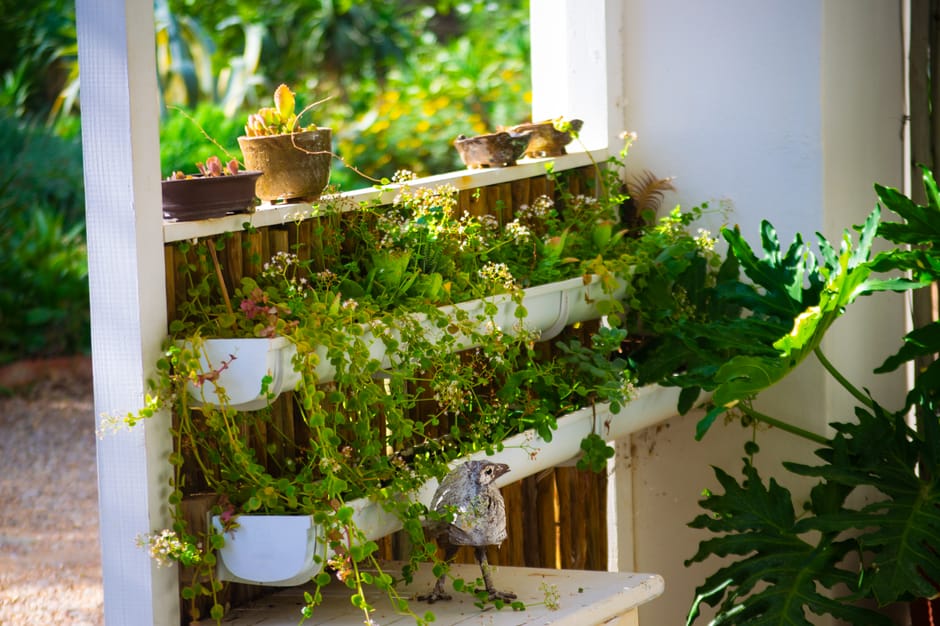
Berrylands to Norbiton garden care tips for terraced homes
If you live in a terraced home between Berrylands and Norbiton, your garden probably works harder than it looks. It may be narrow, shaded by fences or neighbouring buildings, and expected to do a lot: look tidy from the kitchen window, cope with wet winters, stay manageable on busy weeks, and still feel like a place you want to use. That is exactly why Berrylands to Norbiton garden care tips for terraced homes need to be practical, not dreamy. The good news? Small gardens can be brilliant. With the right routine, a few smart layout choices, and sensible seasonal maintenance, even a compact terrace plot can feel calm, green, and surprisingly spacious.
This guide is built for real life in southwest London: muddy shoes by the back door, limited side access, a bit of shade, and not much time. You will find step-by-step advice, common mistakes to avoid, and a realistic view of what works best in terraced gardens. A little planning goes a long way, truth be told.
Why Berrylands to Norbiton garden care tips for terraced homes Matters
Terraced gardens are not like larger detached plots. There is less room for error, less room for storage, and less room for things to quietly go wrong. One neglected hedge can make the whole space feel shut in. One patch of poor drainage can turn a neat yard into a slippery mess by November. And one overly ambitious planting choice can leave you forever clipping, sweeping, or apologising to the neighbour over the fence. Happens all the time.
In this part of southwest London, many homes sit close together, which makes privacy, access, and sunlight more important than ever. A terraced garden often needs to perform several jobs at once: somewhere for children to play, somewhere for a chair and a cup of tea, somewhere for bins or bikes to be hidden, and somewhere for planting that does not create chaos. That is why garden care is not just about mowing or pruning. It is about designing a routine that keeps the whole space balanced.
If you are already thinking about a broader refresh, it can help to look at the bigger picture through the full range of garden services rather than treating each task in isolation. Terraced gardens usually improve fastest when maintenance, layout, and clearance are considered together.
There is also a local reality to consider. Narrow side returns, shared boundaries, and tight rear access can make ordinary tasks more awkward. A pile of clippings that would be easy to shift in a larger garden suddenly becomes a nuisance. A tree that looked fine last summer can become a problem by late spring if it starts blocking light or dropping debris. Small space, big consequences. That is the game.
How Berrylands to Norbiton garden care tips for terraced homes Works
Good terraced garden care works on two levels: visible order and hidden control. The visible part is what people notice first - a tidy lawn, neat edges, clipped hedges, swept paths, healthy pots, and planting that looks intentional. The hidden part is what stops the garden from becoming hard work: drainage, access, soil health, boundary management, and a maintenance rhythm that fits the property rather than fighting it.
For most terraced homes, the smartest approach is to divide the garden into zones. Even a tiny garden can benefit from this. A zone for seating, a zone for planting, a zone for storage, and a zone for movement. When each area has a clear purpose, the garden feels calmer and easier to maintain. You will notice it straight away, especially in a narrow plot where clutter builds up fast.
The maintenance cycle is usually simple in principle:
- Remove the obvious mess first, such as fallen leaves, broken stems, and overcrowded pots.
- Cut back what is blocking light, paths, or access.
- Refresh the ground surface with mowing, raking, weeding, or mulching as needed.
- Check for drainage issues, boundary damage, and awkward overgrowth.
- Finish with one visual improvement, such as edging, container grouping, or a clean sweep of hard surfaces.
That last step sounds small, but it matters. In a terrace garden, one clean line or one uncluttered corner can make the whole space feel more generous.
If your space is very overgrown, a proper reset may be better than piecemeal tidying. In those cases, garden clearance can be the quickest route back to a manageable starting point. Once the space is under control, maintenance becomes much easier and a lot less stressful.
Key Benefits and Practical Advantages
Well-managed terrace gardens bring benefits that go well beyond appearance. Yes, they look better. But the real value is in ease, comfort, and consistency. And let's face it, consistency is what most homeowners actually need.
- Less weekend workload: Regular upkeep means less time spent doing emergency fixes when everything has gone wild.
- Better use of light and space: Cutting back overgrowth and choosing the right plants can make a narrow garden feel much brighter.
- Improved privacy: Carefully maintained hedges, climbers, and boundary planting can screen views without making the garden feel boxed in.
- Safer surfaces: Clear paths, controlled growth, and proper drainage reduce slips and trip hazards.
- Healthier planting: Smaller gardens often struggle when plants are overcrowded. Good pruning and spacing help keep them healthier.
- Higher day-to-day enjoyment: A tidy terrace garden is more likely to be used, not just looked at through the window.
There is also a subtle financial advantage. A garden that is clearly cared for tends to age better. Timber lasts longer when it is not buried in damp foliage. Hedges stay more manageable when they are trimmed regularly. Lawns recover more easily when they are not allowed to become compacted and patchy. Nothing glamorous about it, but it saves hassle.
For homeowners who want a more polished outdoor space, combining maintenance with thoughtful structural changes can be worthwhile. That might mean better boundaries, new surfaces, or smarter planting through professional landscaping support. The aim is not to make the garden bigger. It is to make it work better.
Who This Is For and When It Makes Sense
This advice is for anyone managing a terraced home garden between Berrylands and Norbiton who wants a space that is attractive without becoming a part-time job. That includes first-time homeowners, busy families, landlords, downsizers, and anyone who has looked out at the back garden after a wet fortnight and thought, "Right. That's enough."
It also makes sense if your garden has one or more of these problems:
- limited access down the side or through the house
- a narrow lawn or patio that gets messy quickly
- shady conditions from fences, walls, or nearby buildings
- hedges or climbers that keep spreading into neighbouring spaces
- old borders that are packed with tired plants
- regular leaf fall, damp patches, or moss growth
- storage issues for bins, tools, or bikes
For some people, the issue is not neglect at all. It is just that the space needs a different approach from a larger suburban garden. Terraced homes reward neatness and efficiency. A little overplanting can make the garden look lush for a month, then suddenly crowded. A lawn that is too ambitious for the amount of light can become a patchy chore. You learn this fairly quickly, usually after one soggy winter.
If your garden feels like it has drifted out of control, regular garden maintenance is often the simplest long-term answer. If there are tall boundaries or woody shrubs creating light loss, hedge trimming can restore balance much faster than people expect.
Step-by-Step Guidance
Here is the practical version. Not the glossy version. The one that actually works in narrow back gardens and modest terrace plots.
1. Start with a full visual reset
Stand at the back door and look at the whole space. What is dirty, crowded, broken, leaning, or blocking light? Do not start by pruning everything at random. First, identify what is making the garden feel busy. It might be a hedge, a pile of plant pots, an awkward tree canopy, or simply too many items in one corner.
A quick reset often involves sweeping hard surfaces, clearing dead growth, removing damaged containers, and making a pile of things that clearly do not belong. That pile, by the way, grows faster than you think. It always does.
2. Deal with access first
In terraced gardens, access is everything. If you cannot move around the space properly, everything else takes longer. Keep paths uncluttered, prune anything that catches shoulders or bags, and make sure bins, tools, and furniture are stored where they do not create bottlenecks.
3. Put the highest-impact growth under control
That usually means hedges, climbers, and any small trees or large shrubs that are stealing light or creating mess. A lot of terrace gardens look ten times better after one careful trim. Not dramatic hacking. Just thoughtful reduction and shaping. If a tree is clearly too large for the space or causing structural issues, tree lopping and removal may be the safer and more sensible option, though that should always be judged carefully.
4. Simplify the planting
Terraced gardens generally work better with fewer plant types repeated more consistently. Think in layers: low edging plants, mid-height shrubs or perennials, and a few taller accents. Repetition looks calm. Too many one-off plants can make a small garden feel fussier than it needs to be.
5. Refresh the ground surface
Whether you have lawn, paving, gravel, or a mix, the surface is the visual anchor of the garden. Mow regularly if there is grass. Pull weeds before they seed. Re-edge borders now and then. Clear moss or algae from slippery paths if they are becoming slick underfoot. If there is decking involved, treat it as a surface that needs care, not a "fit and forget" feature.
For households that use timber or composite decks as part of a compact rear garden, decking services can help with upgrades, repairs, or safer layout choices when the current setup is no longer practical.
6. End with a tidy finish
This sounds obvious, but it is where a lot of garden work falls apart. After cutting, sweeping, and replanting, finish with one simple tidy-up pass. Put tools away. Refill pots neatly. Straighten furniture. Remove the little messes. It is the difference between "worked on" and "looked after".
Expert Tips for Better Results
If you want your terraced garden to stay manageable, a few small habits make a big difference.
- Trim little and often. In smaller gardens, regular light work is better than occasional heavy work. It keeps the space stable.
- Choose plants for behaviour, not just looks. Fast spreaders can be trouble in tight spaces. Nice in theory, annoying in practice.
- Use vertical space carefully. Climbers, wall planters, and trellis can save floor space, but only if they are maintained.
- Repeat materials. If you already have brick, stone, timber, or gravel, echo them in the rest of the layout so the garden feels coherent.
- Leave a little breathing room. In terrace gardens, not every corner needs planting. Some negative space helps the eye rest.
- Plan for wet weather. London gardens get a lot of damp days. Make sure surfaces drain and clutter does not trap moisture.
One useful rule of thumb: if a feature creates more maintenance than enjoyment, rethink it. Beautiful but high-maintenance planting can be fine in a large garden. In a terraced home, not so much. You want the garden to fit your life, not the other way round. Sounds obvious, but people forget.
And if you are not sure how to balance structure, planting, and upkeep, a tailored local approach through landscape gardening can be a practical way to redesign the space without overcomplicating it.
Common Mistakes to Avoid
Terraced gardens are unforgiving in a few specific ways. The wrong choice tends to show up fast.
- Overfilling the garden. Too many pots, ornaments, and plant varieties can make a small plot look cramped.
- Ignoring shade. A plant that thrives in full sun may sulk for months in a narrow north-facing yard.
- Letting hedges run unchecked. A hedge that is allowed to bulk out can steal light, crowd neighbours, and become harder to trim later.
- Skipping drainage checks. Puddles, moss, and damp patches are common in terrace settings, especially where surfaces are level or compacted.
- Using the wrong mower or cutting too short. Scalping the lawn weakens grass and makes patchiness worse.
- Leaving clearance until it becomes a project. A garden that is slightly untidy is manageable. A garden that has tipped into chaos needs more time, more effort, and usually more patience.
There is also a subtle mistake that is easy to miss: trying to make a terraced garden behave like a country garden. Different scale, different rules. Fewer big gestures, more clarity. That's the trick.
Tools, Resources and Recommendations
You do not need a huge kit, but the right tools make terrace garden care far easier. A basic setup usually includes:
- sharp secateurs for small stems and deadheading
- hedge shears or a trimmer for shaping boundaries
- a lightweight mower or strimmer if there is a lawn
- a stiff broom for paths, patios, and decking
- gloves that actually fit
- a rake for leaves and light debris
- strong bags or tubs for green waste
- a trowel and hand fork for containers and borders
If the garden is particularly cluttered or the planting is bulky, the most useful resource may simply be a clear plan. Write down what needs doing in order: clearance, pruning, lawn care, border tidy-up, then final clean. Simple lists win because they stop you wandering around with a tool in your hand wondering what the plan was. We have all been there.
For recurring work, an ongoing service can be easier than repeated one-off fixes. Many terraced homeowners prefer a scheduled approach because it keeps growth under control and prevents seasonal overwhelm. If that sounds familiar, have a look at pricing and quotes when you are planning the next step. For some households, predictable upkeep is the real win.
If you care about waste handling and greener practices, recycling and sustainability can also matter when deciding how clippings, cuttings, and cleared materials are managed.
Law, Compliance, Standards, or Best Practice
Terraced home garden care is mostly practical rather than heavily regulated, but there are still important standards and good practice points to keep in mind. It is always wise to check local requirements if a project affects boundaries, trees, fences, access routes, or waste disposal. That is especially true in London, where properties can be close together and neighbour considerations matter more than people sometimes expect.
Here are the main common-sense principles:
- Be considerate with boundary growth. Hedges and climbers should not be allowed to create avoidable nuisance or risk.
- Work safely at height. If a shrub or tree requires ladders, awkward reach, or power tools, use proper caution and do not push beyond your comfort level.
- Manage waste properly. Green waste, timber, and soil should be removed or reused responsibly rather than left in a damp heap.
- Respect shared access and neighbours. In terraced settings, access routes are often tight, so careful timing and tidy work matter.
- Use insured, competent help when needed. Especially for tree work, heavy clearance, or structural landscaping.
If you are hiring help, it is reasonable to ask about safety practices, insurance, and how the work will be carried out on a compact site. Services should be able to explain their approach plainly. No jargon, no drama. Just a clear answer.
For peace of mind on more involved jobs, it can be useful to review insurance and safety information alongside the provider's own health and safety policy. If you want to understand the business side before booking, terms and conditions and privacy policy are worth a quick look too.
Options, Methods, or Comparison Table
Different terraced gardens need different approaches. Here is a simple comparison to help you decide what fits your space best.
| Approach | Best for | Benefits | Limitations |
|---|---|---|---|
| Light regular maintenance | Gardens already in decent order | Keeps growth manageable, low disruption, good for busy homes | Does not solve deeper layout or drainage problems |
| Seasonal reset and tidy-up | Spaces that get out of hand in spring or autumn | Fast visual improvement, restores control, clears clutter | Can drift back if not followed by routine care |
| Full clearance and redesign | Overgrown or awkward terrace gardens | Creates a clean starting point, better for long-term change | More time, more effort, and usually more cost |
| Targeted improvements | Gardens with one main issue, like shade, privacy, or access | Efficient, practical, often high impact | May not address the whole space |
In many cases, the best answer is not one method alone. It is a mix. For example, a terrace garden might need a one-off tidy, ongoing lawn care, and a hedge cut every few months. Small garden, layered needs. That is normal.
Case Study or Real-World Example
Picture a typical terraced rear garden between Berrylands and Norbiton: narrow, partly shaded, with a small lawn at the back, some tired shrubs along the fence, and a patio that had become the default storage area for plant pots, old compost bags, and one chair nobody really liked. Nothing unusual. Just a garden that had quietly become a bit much.
The first job was not planting. It was clearing. The dead material came out, the patio was swept back to a usable surface, and the hedge line was reduced so the garden could breathe again. Once the light improved, the owner could see where the space was actually strongest: a sunny patch near the fence and a dry corner ideal for containers.
After that, the approach was simplified. Fewer plant types. Repeated pots. A cleaner edge to the lawn. The result was not dramatic in a showy way, but it felt better immediately. More open. Easier to use. Less apologetic, if that makes sense. The kind of garden where you are actually willing to sit out with a tea on a mild evening rather than just glance at it through the glass.
The useful lesson? In terraced homes, success usually comes from reducing friction before adding beauty. Clear first, then improve. Not the other way round.
Practical Checklist
Use this quick checklist to keep your terraced garden under control through the year:
- Check access routes and remove anything blocking movement
- Sweep patios, paths, and decking regularly
- Cut back hedges, climbers, and shrubs before they crowd the space
- Mow the lawn before it becomes uneven or weak
- Deadhead and remove faded growth from borders
- Look for drainage issues after heavy rain
- Keep bins, tools, and furniture in one clear storage zone
- Reduce clutter in small gardens rather than adding more items
- Book clearance when overgrowth starts to feel unmanageable
- Review safety, waste handling, and insurance before larger work
Expert summary: The most effective terraced garden care is simple, regular, and proportionate to the space. Tidy the surfaces, control the growth, protect access, and avoid overcomplicating the layout. If you get those four things right, the whole garden becomes easier to live with.
Conclusion
Berrylands to Norbiton garden care tips for terraced homes come down to one central idea: make the garden easier first, prettier second, and everything else becomes more achievable. Terraced gardens rarely reward excess. They reward structure, restraint, and steady attention. That is what keeps them tidy, welcoming, and genuinely usable.
Whether you are dealing with a shaded strip of lawn, an overgrown hedge, a cluttered patio, or a garden that has simply lost its rhythm, the solution is usually practical rather than dramatic. Clear what is in the way. Cut back what is taking over. Keep surfaces clean. Make the layout work with the home, not against it. It sounds plain, but plain works.
If you are ready to improve your outdoor space with a calmer, more manageable approach, now is a sensible time to plan your next step.
Get a free quote today and see how much you can save.
And honestly, once a terrace garden starts working properly, it changes the feel of the whole house. A small space can still do a lot of good.
Frequently Asked Questions
What are the best Berrylands to Norbiton garden care tips for terraced homes?
The best tips are the practical ones: keep access clear, trim growth regularly, control clutter, and work in small zones. Terraced gardens usually improve most when you focus on light, layout, and maintenance rather than trying to do everything at once.
How often should I maintain a terraced garden?
Light maintenance is usually best every week or two during the growing season, with bigger tidy-ups at key points in spring and autumn. If the garden grows quickly or gets shaded and damp, you may need a little more attention than that.
Is a lawn a good idea in a small terraced garden?
It can be, but only if the space gets enough light and you are willing to keep it properly maintained. In some terraced gardens, a smaller lawn or a mixed surface design is more realistic than a full grass area.
What should I do if my terrace garden is overgrown?
Start with clearance, not planting. Remove dead material, cut back the largest problem areas, and clear paths or patios first. Once the space is visible again, it becomes much easier to decide what to keep, reshape, or remove.
How do I make a narrow garden feel bigger?
Use repeated planting, clear sightlines, and fewer visual distractions. Keep the ground surfaces tidy, avoid too many different materials, and make sure taller plants do not close the space in too much.
Are hedges better than fences for privacy?
Sometimes, yes, because hedges can soften boundaries and create a greener feel. But they need regular trimming and can take up more space. In a terraced garden, the right answer often depends on how much room and light you actually have.
Do I need professional help for terraced garden maintenance?
Not always. Small routine jobs are manageable for many homeowners. Professional help makes more sense when the garden is overgrown, access is awkward, trees are involved, or you want a more complete layout change.
What time of year is best for hedge trimming and pruning?
It depends on the plant, but many hedges and shrubs benefit from regular shaping during the growing season and careful cuts outside it. If you are unsure, it is safer to trim lightly than to cut heavily at the wrong time.
How do I deal with poor drainage in a terraced garden?
Watch where water sits after rainfall and look for compacted soil, blocked channels, or surfaces that do not slope away properly. Sometimes the answer is a small adjustment, sometimes it needs a broader landscaping fix.
Can decking work in a terrace garden?
Yes, especially where you want a clean seating area or a surface that feels more usable than bare soil. It should still be maintained, though. Decking can become slippery or tired if it is ignored for too long.
What is the most common mistake people make with small gardens?
Overfilling them. Too many features, too many pots, too many plant types. It is easy to think more equals better, but in terrace gardens, simplicity usually gives a calmer and more attractive result.
Where can I find help with ongoing garden upkeep?
If you want support with regular care, one-off clearance, or more involved improvements, it helps to review the available garden maintenance options and then decide what suits your space and schedule best.